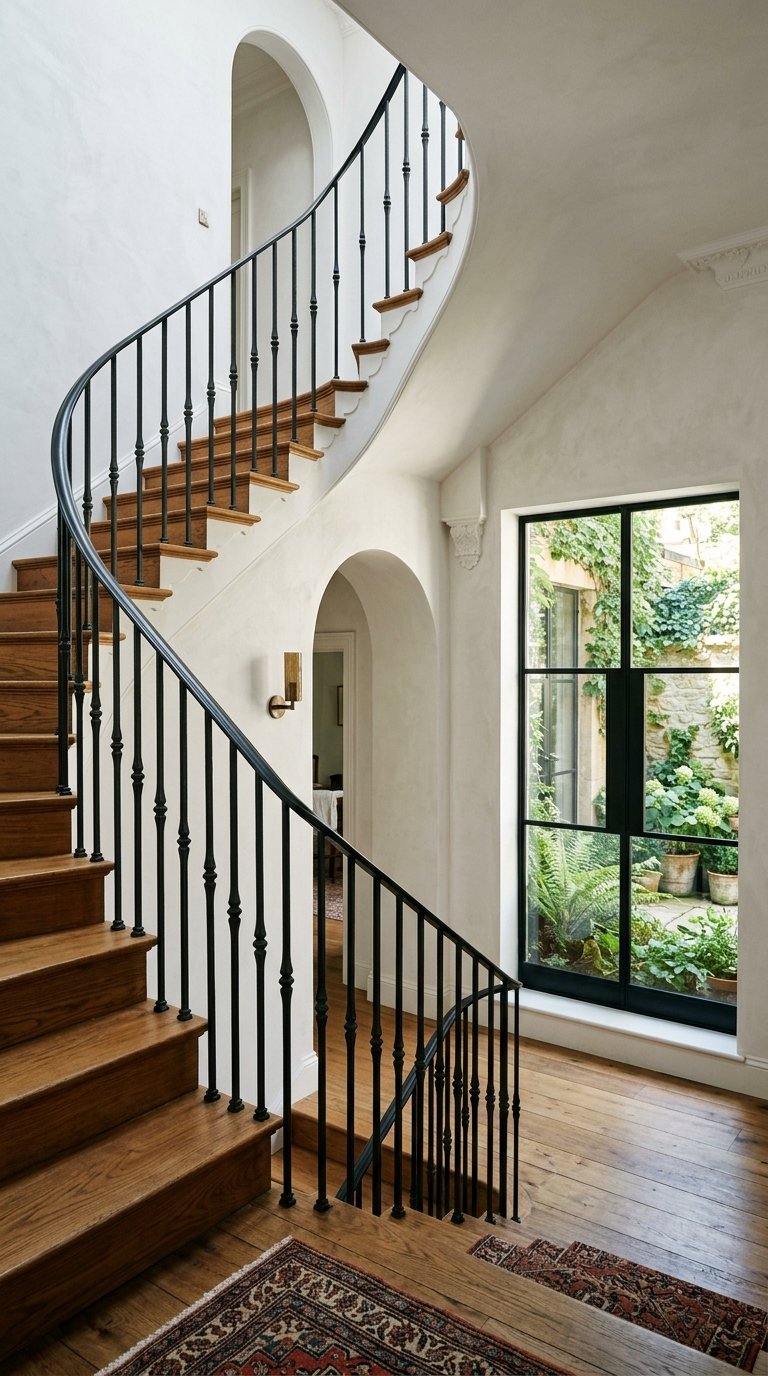
If two homes in Pacific Heights have similar square footage, why can one command a dramatically higher price? In this neighborhood, value is rarely about size alone. It is shaped by views, block position, architecture, outdoor space, and the quality of updates. If you are buying, selling, or simply tracking the market, understanding those drivers can help you read prices more clearly. Let’s dive in.
Pacific Heights values start with the land
Pacific Heights is a hill-driven, view-sensitive neighborhood, and that physical setting matters more than many buyers first realize. San Francisco Planning describes the area as a north slope rising to a ridge, with notable Bay views down streets and a strong relationship between topography, streets, building form, and landscaping.
In practical terms, small changes in elevation or street alignment can affect what you see from a home and how open it feels. In a neighborhood where outlook is part of the appeal, those differences can have a real impact on value.
Views can change pricing fast
In Pacific Heights, preserved sightlines often create the strongest premium. Bay views, city views, and open-space views tend to matter because they connect directly to the neighborhood’s identity and daily living experience.
Planning records reference a public view corridor from Alta Plaza Park looking down Pierce Street, which shows how specific blocks can carry distinct view value even within a short distance. That helps explain why two nearby homes may not compete on equal footing, even when they share a similar address story on paper.
Not all views are equal
A broad Bay view and a partial peek are not the same product. Neither is a view that is framed cleanly from main living spaces compared with one that appears only from a secondary room.
When buyers evaluate a Pacific Heights home, they often react to the quality, orientation, and usability of the outlook. That is why a strong comp analysis here needs to go beyond square footage and bedroom count.
Block character matters more than you think
Pacific Heights is not visually uniform from block to block. San Francisco Planning highlights the neighborhood’s contrasts in building heights, setbacks, stairways, fences, paving patterns, and landscaping.
That means the feel of the street can influence value in ways that are easy to miss in a spreadsheet. A home on a quieter block with stronger frontage, more open sky, or a better relationship to the street may attract a different level of demand than a similar home just a few blocks away.
Street presence shapes first impressions
In a neighborhood known for design character, curb appeal carries extra weight. The way a home sits on its lot, the depth of setback, and the visual rhythm of the block all help shape buyer perception.
For sellers, this is one reason presentation matters so much. Details outside the front door can support the story of the home before a buyer ever steps inside.
Outdoor space adds real value
Private outdoor space tends to matter more in Pacific Heights than in many denser parts of San Francisco. The neighborhood’s historic pattern includes larger detached dwellings, front and side setbacks, and associated garden or site features.
The area is also anchored by parks that reinforce the appeal of open air and outlook. Alta Plaza Park offers panoramic city and Bay views, and Lafayette Park is an 11.5-acre recreation area with city and Bay views.
Usable outdoor areas stand out
A terrace, garden, yard, or well-designed outdoor room can add meaningful appeal, especially when it feels connected to the home’s main living areas. Buyers often respond to outdoor space that feels functional rather than simply decorative.
That does not mean every exterior square foot is valued the same way. In Pacific Heights, usability, privacy, and design quality usually matter more than raw size alone.
Architecture is part of the price story
Pacific Heights has a strong architectural identity, and that pedigree is a major value driver. Planning documents describing the Pacific Heights Historic District identify a notable collection of late-Victorian, Shingle, Arts & Crafts, Classical Revival, Colonial Revival, Tudor Revival, French Provincial, and Mediterranean Revival architecture, with a period of significance from 1895 to 1930.
San Francisco Planning’s landmark framework also describes landmarks and historic districts as irreplaceable assets. In a neighborhood like this, architecture is not just style. It is part of the property’s market position.
Period character can influence demand
Buyers are often drawn to homes that retain architectural integrity while functioning well for modern life. Original details, balanced proportions, and thoughtful design continuity can make a property feel more compelling and more difficult to replace.
That is especially true in a neighborhood where historic character is visible at the street level. A home that fits naturally into its setting can benefit from that broader sense of place.
Renovation quality matters
In Pacific Heights, not all updates are created equal. Planning and preservation records show that visible changes are often evaluated in the context of historic character, neighborhood architectural integrity, and fit with surrounding scale and topographic form.
That framework helps explain why a well-executed, period-sensitive renovation may support value more effectively than a generic cosmetic refresh. Buyers in this market tend to notice when improvements feel tailored to the home rather than layered on top of it.
Thoughtful updates usually age better
The strongest renovations often improve livability while respecting the home’s architecture. That can include better flow, improved light, upgraded systems, and refined finishes that feel consistent with the property.
For sellers, this is where careful pre-market planning can pay off. The right improvements and presentation strategy may help buyers see both the lifestyle and the long-term value more clearly.
Supply stays tight in Pacific Heights
Another major driver of home values is limited supply. San Francisco Planning’s 2025 Housing Inventory records Pacific Heights with 0 units completed from new construction and only 8 net units gained through alterations in 2025.
In a low-turnover, low-new-supply submarket, strong homes can draw intense attention when they become available. Limited inventory does not affect every listing the same way, but it can support pricing when demand and property quality align.
Recent sales show a competitive market
Current market data points to strong competition. Redfin reports a median sale price of $2,429,183 for the three months ending May 2026, up 24.6% year over year, with $1.37K per square foot, 13 days on market, 93 homes sold in May, a 109.0% sale-to-list ratio, 62.1% of homes selling above list, and 14.6% of listings seeing price drops.
Those numbers tell you the neighborhood is active and competitive, but they do not tell the whole story of any one home. In Pacific Heights, the spread between average and exceptional can be wide.
One neighborhood, very different outcomes
Recent examples make that clear. Redfin shows 2217 Pacific Ave #4 selling 1% under list after 119 days, while 1965 Clay St sold 37% over list after 21 days, and 3016 Clay St Unit A sold 28% over list after 22 days.
That gap suggests buyers and sellers should be careful with broad assumptions. The neighborhood name alone does not make properties interchangeable.
How to read comps the right way
Pacific Heights comps work best when you compare like with like. A condo comp and a detached-house comp should not be treated as interchangeable, even if both are in the same neighborhood.
A better pricing lens is a matrix that looks at property type, view, block position, outdoor space, architectural integrity, and renovation quality. Square footage still matters, but it should not be the only metric guiding your expectations.
For buyers
If you are buying in Pacific Heights, focus on what is hard to replace. That often includes protected views, a strong block, quality outdoor space, and architecture that holds long-term appeal.
These features may explain why a home feels expensive compared with a nearby alternative. In many cases, the premium is tied to scarcity rather than hype.
For sellers
If you are selling, your pricing and preparation strategy should reflect the home’s true market position, not just neighborhood averages. The most effective approach usually combines a precise comp set with thoughtful presentation that highlights the home’s strongest differentiators.
That can be especially important in a market where buyers move quickly and compare properties closely. Strong staging, pre-market preparation, and premium visual marketing can help the right story come through.
Why local interpretation matters
Pacific Heights is one of those neighborhoods where pricing is both data-driven and highly specific. The numbers matter, but so do the details that shape how a home lives, shows, and fits its setting.
That is why broad market headlines should be treated as a starting point, not a conclusion. In this neighborhood, value is often driven by the details that do not show up cleanly in an automated estimate.
If you want to understand how your home fits into the Pacific Heights market, or you are trying to evaluate the premium on a property you are considering, working with a neighborhood-specific strategy can make the picture much clearer. For tailored guidance, premium marketing insight, and hands-on support, reach out to Casey L Cowell.
FAQs
What factors most affect Pacific Heights home values?
- The biggest factors are often view quality, block position, outdoor space, architectural character, renovation quality, and overall property type.
Why do nearby Pacific Heights homes sell for very different prices?
- Even nearby homes can differ in Bay or city views, street character, privacy, outdoor usability, and architectural integrity, which can lead to very different buyer demand.
How competitive is the Pacific Heights real estate market?
- Recent Redfin data shows a median sale price of $2,429,183, 13 days on market, a 109.0% sale-to-list ratio, and 62.1% of homes selling above list for the three months ending May 2026.
Do views really increase Pacific Heights property value?
- Views often play a major role because Pacific Heights is a hill-driven, view-sensitive neighborhood where sightlines and topography are central to its identity.
Does renovation quality matter in Pacific Heights homes?
- Yes. In a neighborhood with strong architectural character and preservation context, buyers often respond more positively to well-executed, period-sensitive renovations than to generic cosmetic updates.
Why is inventory limited in Pacific Heights?
- San Francisco Planning’s 2025 Housing Inventory recorded 0 units completed from new construction and only 8 net units gained through alterations, which reflects the area’s low-supply pattern.
