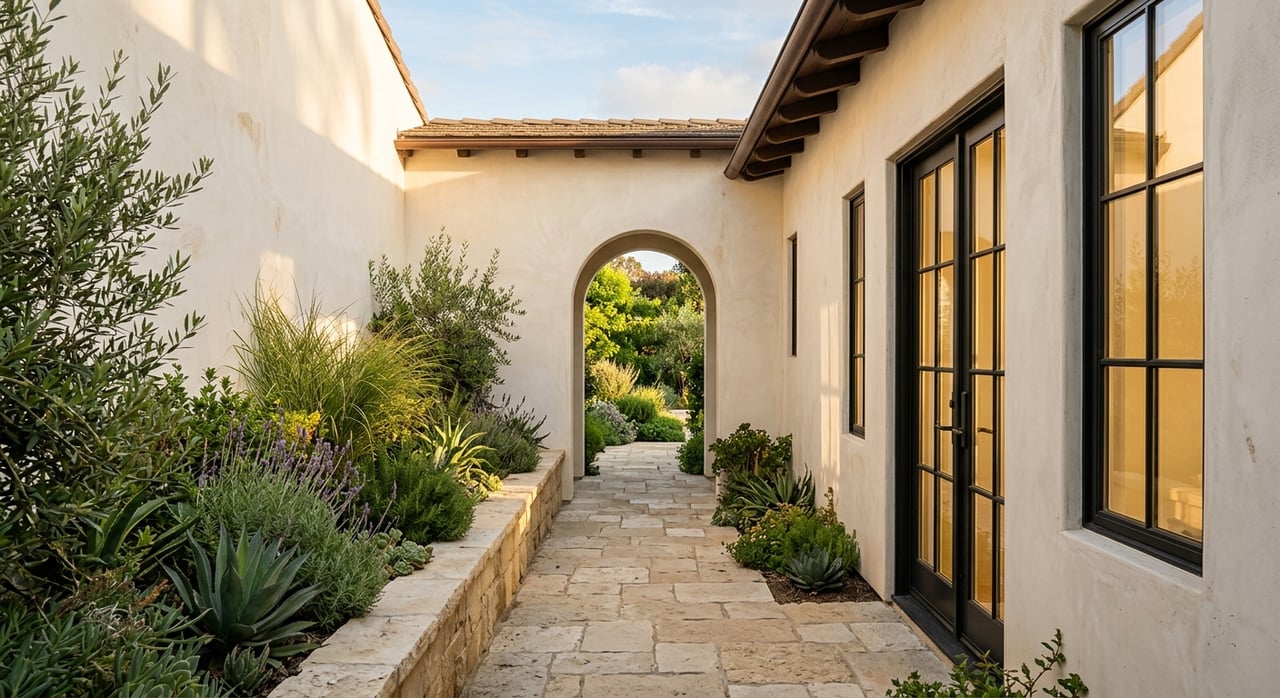
Wondering whether Jordan Park or Lake Street is the better fit for your next move in San Francisco? It is a smart question, because while these two areas can appeal to similar buyers, they feel quite different once you look at the streetscape, housing patterns, nearby amenities, and price point. If you want a clear way to compare them, this guide will help you sort through the tradeoffs and choose based on how you actually want to live. Let’s dive in.
Start With the Big Difference
At a high level, Jordan Park and Lake Street offer two distinct residential experiences.
Jordan Park is known as an early San Francisco residence park with a level grid, broad streets that are typically about 80 feet wide, and uniform setbacks with shallow front yards. That creates a more orderly, consistent street pattern that many buyers find easy to navigate and visually cohesive.
The Lake Street comparison point is the West Clay Park pocket along Lake Street. It was developed on sloping ground, with a more varied lot pattern and a streetscape shaped by terraced yards and retaining walls. In practical terms, that often gives Lake Street a stronger sense of topography and a more layered look from block to block.
Choose Based on Streetscape Feel
Jordan Park feels flatter and more uniform
If you like a neighborhood that feels structured and calm, Jordan Park may stand out right away. Its wide streets and consistent setbacks create a sense of rhythm that is easy to read when you are walking or driving through the area.
This can be especially appealing if you want a residential setting that feels composed rather than dramatic. The built form tends to support a straightforward, classic San Francisco neighborhood experience.
Lake Street feels more varied and park-oriented
Lake Street offers a different visual experience. Because the area developed on sloping ground, the streetscape includes terraced yards and retaining walls that add more variation.
For some buyers, that topographic character is a major plus. It can make the area feel more textured and distinct, especially when paired with its proximity to major green space.
Compare the Housing Stock
Jordan Park includes more format flexibility
Jordan Park’s original development standards required a minimum lot width of 33 feet, 7 feet of separation between houses, and a 12-foot front setback. Unlike many San Francisco residence parks, it also allowed or encouraged flats and other multiple-family buildings.
That matters if you want more than just a traditional detached home. SF Planning describes the neighborhood as including generally two-story detached single-family houses, along with some multifamily buildings and a church.
For buyers, that means Jordan Park can make sense if you are looking for:
- A detached home in a structured residential setting
- A flat or multi-family format
- A property type with more variety within the same general area
Lake Street started with tighter restrictions
West Clay Park along Lake Street was marketed with a $5,000 minimum house cost, no flats or other objectionable features, underground utilities, and rear detached garages when possible. Original lots ranged from 26 to 60 feet wide and 90 to 120 feet deep, with most around 30 feet wide.
Today, recent Lake Street sales show a broader mix than the original tract alone, including homes and multi-unit properties at 3,011, 3,797, 4,083, and 5,080 square feet. That suggests you can still find range in the housing stock, but the area’s identity remains closely tied to larger homes and a more premium price bracket.
Think About Green Space Access
Lake Street has the stronger park-edge lifestyle
If immediate access to open space is high on your list, Lake Street has the clearer advantage. Mountain Lake Park is a 15.2-acre park bordered by the Presidio to the north and Lake Street to the south.
According to San Francisco Recreation & Parks, Mountain Lake Park includes:
- A playground
- An off-leash dog area
- Tennis courts
- A basketball court
- Picnic areas
- Outdoor fitness equipment
The Presidio also adds a major open-space presence nearby, and SFMTA’s Lake Slow Street runs from 28th Avenue to Arguello Boulevard. Together, those features reinforce a more pedestrian- and bike-oriented public realm along the corridor.
Jordan Park is more residential than park-front
Jordan Park’s advantage is not direct park frontage. The strongest takeaway from the historic material is that it functions as a residential district with broad internal streets, rather than as a neighborhood defined by an open-space edge.
That does not make it less appealing. It simply means the lifestyle emphasis is different. If you want the neighborhood itself to feel more like the destination, Jordan Park may fit. If you want green space to be part of your everyday visual and outdoor routine, Lake Street may feel more compelling.
Consider Daily Convenience
Jordan Park connects well to Laurel Village
For everyday errands and services, Jordan Park benefits from its closeness to the California Street and Laurel Village corridor. SF Planning’s review of Laurel Village describes a two-block strip with restaurants, retail, financial institutions, grocery stores, a bookstore, a realtor’s office, and clothing stores.
Sacramento Street one block north adds smaller specialty goods in a mixed-use streetscape. For many buyers, that means Jordan Park offers a practical balance of residential calm and nearby convenience.
Lake Street leans on Inner Clement
Lake Street itself is mostly residential, so its likely daily shopping anchor is the Inner Clement Street district nearby. SF Planning describes Inner Clement as a district with a wide selection of convenience goods and services and one of the city’s greatest concentrations of restaurants.
If your routine includes dining out, quick errands, and neighborhood-serving businesses, that nearby commercial access is part of Lake Street’s appeal. The key difference is that the retail energy is adjacent to the residential corridor, not built directly into it.
Look at the Price Gap
For many buyers, the decision may come down to budget as much as lifestyle.
Redfin’s March 2026 snapshot puts Laurel Heights-Jordan Park at a median sale price of $2,125,000, with 25 median days on market, a 109.6% sale-to-list ratio, and 3 homes sold. Lake Street’s March 2026 snapshot shows a median sale price of $3,487,500, with 40 median days on market, a 106.1% sale-to-list ratio, and 4 homes sold.
These are small sample sizes, so they are best treated as directional. Still, the gap is notable. Lake Street is materially more expensive in the current data set.
A Simple Way to Decide
If you are torn between the two, it helps to focus on the few factors that usually matter most in real life.
Choose Jordan Park if you want:
- A flatter, more orderly residential grid
- Broad streets and more uniform setbacks
- A neighborhood with housing that can include flats or larger multi-family formats
- Easier access to Laurel Village and the California Street corridor
- A lower entry point than Lake Street based on current market snapshots
Choose Lake Street if you want:
- Immediate access to Mountain Lake Park and the Presidio
- A more topographic streetscape with terraced yards and retaining walls
- A park-edge residential feel
- Proximity to Inner Clement’s convenience goods, services, and restaurant scene
- A higher-priced market with a strong green-space lifestyle component
Why the Right Fit Is Personal
The best choice is not about which neighborhood is objectively better. It is about which one matches your priorities.
If you care most about structure, a flatter residential layout, and flexibility in property type, Jordan Park may be the stronger fit. If your ideal day includes quick access to open space, a more varied streetscape, and a location tied closely to Mountain Lake and the Presidio, Lake Street may justify the premium.
In a market like San Francisco, small block-by-block differences can shape your daily experience more than broad neighborhood labels. That is why it helps to compare not just price, but also street pattern, housing format, nearby retail, and how you want the area to feel when you step outside.
If you are weighing Jordan Park against Lake Street, working with someone who understands San Francisco’s micro-markets can make the decision much clearer. Casey L Cowell offers tailored buyer and seller guidance with the local context, hands-on support, and market insight needed to evaluate the right fit for your goals.
FAQs
How does Jordan Park feel compared with Lake Street in San Francisco?
- Jordan Park generally feels flatter, more orderly, and more uniform, while Lake Street feels more varied due to sloping ground, terraced yards, and retaining walls.
Which San Francisco neighborhood has better park access, Jordan Park or Lake Street?
- Lake Street has the stronger immediate green-space setting because it borders Mountain Lake Park and sits near the Presidio.
What types of homes can buyers find in Jordan Park?
- Jordan Park includes generally two-story detached single-family houses, along with some multifamily buildings, which gives buyers more format flexibility than many residence park areas.
What is the main retail area near Lake Street in San Francisco?
- The main nearby shopping and dining anchor for Lake Street is the Inner Clement Street district, which offers convenience goods, services, and a large restaurant concentration.
Is Jordan Park or Lake Street more expensive?
- Based on the March 2026 market snapshot in the research report, Lake Street is materially more expensive than Laurel Heights-Jordan Park.
Who may prefer Jordan Park over Lake Street?
- Buyers who want a flatter street grid, a more orderly residential setting, and potential access to flats or multi-family properties may prefer Jordan Park.
