Wondering what gives Jordan Park its quiet, timeless appeal? In a city known for tight blocks and varied streetscapes, Jordan Park stands out for its broad streets, consistent setbacks, and distinctive collection of early 20th-century homes. If you are thinking about buying or selling here, understanding the neighborhood’s architectural character can help you see value more clearly, spot the right fit, and make smarter renovation decisions. Let’s dive in.
Jordan Park’s Distinct Residential Setting
Jordan Park was established in 1906 as one of San Francisco’s early residence parks. That history still shapes how the neighborhood feels today, with level terrain, a grid of broad streets, homes set back at a fairly uniform distance, and shallow front yards that create a more open residential rhythm.
According to San Francisco Planning materials, Jordan Park is bounded by California Street, Parker Avenue, Geary Boulevard, and Palm Avenue. It sits on land added to the city as the Western Addition, even though many people associate it with the Richmond District. For buyers and sellers, that distinction matters less than the lived experience of the neighborhood, which feels spacious by San Francisco standards.
Why Jordan Park Feels So Cohesive
The neighborhood’s charm does not come from a single architectural style. Instead, its appeal comes from a consistent early-20th-century streetscape with detached or semi-detached homes, relatively wide lots, and a strong sense of openness from the street.
San Francisco Planning identifies Jordan Park’s first major building wave as roughly 1900 to 1920 and notes that the district is California Register-eligible for architecture. That helps explain why the area feels visually unified even when the homes themselves vary in style.
Edwardian Homes in Jordan Park
What to Look For
Edwardian homes are one of the key style categories in Jordan Park. San Francisco Planning describes Edwardian-era buildings as vernacular Classical Revival structures that often feature wide angled or round bay windows, flat roofs, projecting cornices, and columned porch entries.
In practical terms, these homes often feel formal and composed from the street. Their façades usually have a strong vertical structure, and original architectural details can add a lot of visual depth and personality.
How They Tend to Live
For many buyers, Edwardian and early revival homes offer the strongest sense of period character. Front rooms often benefit from daylight through bay windows and generous street frontage, while deeper interior spaces may feel more enclosed than what you would find in a newer open-plan home.
That does not mean every home will feel the same. Still, if you value separation between rooms, architectural detail, and a classic San Francisco look, this is often the style worth exploring most closely.
Mediterranean and Spanish Revival Homes
Signature Features
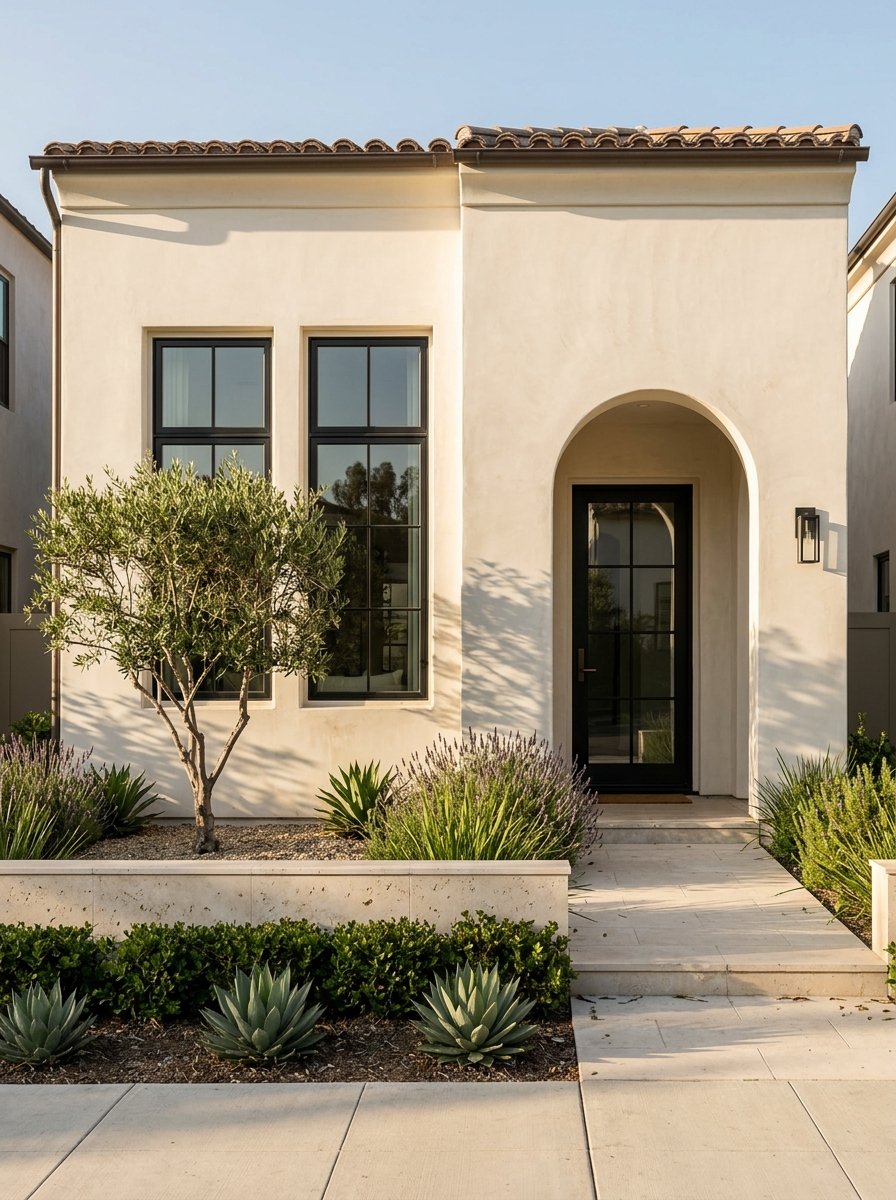
Mediterranean and Spanish Revival homes form another important layer in Jordan Park. San Francisco Planning describes Mediterranean Revival architecture as an eclectic style with features like low-pitched roofs, red clay tile roofing, stucco walls, and arched openings.
These homes often read as softer and warmer from the curb than earlier Edwardians. Where an Edwardian may feel more formal and detailed, a Mediterranean or Spanish Revival home can feel more relaxed and visually connected to outdoor space.
Why Buyers Gravitate Toward Them
If you are drawn to stucco exteriors, tile roofs, and arched architectural elements, this style may feel especially appealing. These homes can offer a historic envelope with a slightly less ornate look, which some buyers find easier to blend with contemporary interiors.
From a lifestyle perspective, they often strike a middle ground. They can preserve historic character while feeling a bit more casual in expression than earlier homes in the neighborhood.
Mid-Century Infill in Jordan Park
A Later Architectural Layer
Not every Jordan Park home comes from the neighborhood’s earliest period. San Francisco Planning notes that the residence-park pattern continued into the 1950s and 1960s, which helps explain the presence of mid-century infill on blocks otherwise shaped by earlier homes.
This later layer tends to be simpler and less decorative. It also often feels more aligned with current buyer expectations around light, glazing, and cleaner lines.
What Sets It Apart
San Francisco’s modern context statement describes Midcentury Modern homes as commonly featuring large expanses of windows, flat or shed roofs, asymmetrical façades, projecting eaves, stucco, and cantilevered overhangs. In Jordan Park, those qualities can create a noticeably brighter and more streamlined feel.
If you want an interior that feels more naturally suited to contemporary living, mid-century homes may be the easiest fit. They often come closest to the open-plan feel many buyers want today, even when updates are still needed.
How Architecture Affects Light and Layout
One of Jordan Park’s biggest advantages is its overall siting pattern. The neighborhood’s broad streets, shallow setbacks, and detached-home pattern generally help it feel brighter and less compressed than denser parts of San Francisco.
Within that framework, architectural style can still shape how a home lives day to day. Edwardian and early revival homes often get their strongest light from front bays and rear openings. Mediterranean homes may appear more sheltered from the street but can feel bright once the rear of the house opens up. Mid-century homes usually offer the most glass and the most flexible daylight pattern.
Layout matters just as much. In general, Edwardian-era homes tend to feel more compartmentalized and formal, Mediterranean homes often sit somewhere between formal and open, and mid-century infill usually aligns most closely with open-plan preferences.
What Buyers Should Focus On First
When you tour Jordan Park homes, it helps to think beyond curb appeal. A beautiful façade matters, but your day-to-day experience will come down to how the home handles light, flow, and privacy.
A few practical questions can help narrow your search:
- Do you want clearly defined rooms or a more open layout?
- How important is original period detail to you?
- Do you prefer a formal street-facing presence or a softer exterior style?
- Are you looking for a home that may need preservation-sensitive exterior planning?
For many buyers, the smartest starting point is not style alone. It is figuring out how much separation versus openness you want, then matching that preference to the architectural type.
Renovating a Jordan Park Home Thoughtfully
Jordan Park’s architectural character is a major part of its value, so renovation decisions should start with what defines the home from the street. San Francisco Planning’s preservation framework is designed to guide the long-term care of historic resources, and Jordan Park case files identify the district as California Register-eligible.
That does not mean change is off-limits. It does mean that visible exterior changes on contributing homes may require preservation-sensitive review, especially when they affect massing, façade rhythm, or other character-defining features.
Features Worth Protecting
In many cases, the most important elements to preserve first include:
- Rooflines
- Bay-window proportions
- Porch entries
- Façade symmetry
- The relationship between the home and its setback from the street
As a general rule, the street-facing character carries the most weight. Interior reconfiguration and rear additions may offer more flexibility, but each property should be evaluated on its own facts and review context.
What This Means for Sellers
If you own a home in Jordan Park, your property’s architectural identity may be one of its strongest selling points. Buyers are often not just purchasing square footage here. They are responding to the neighborhood’s established streetscape, the sense of openness, and the details that make one home feel authentic to its period.
That is why presentation matters. For sellers, thoughtful preparation can help highlight original features, clarify how the floor plan lives, and position the home correctly for buyers who value character and context.
What This Means for Buyers
For buyers, Jordan Park rewards a more nuanced search. Two homes with similar size may live very differently depending on whether they are Edwardian, Mediterranean, or mid-century in origin.
The best fit usually comes down to priorities. If you want the richest period detail, look closely at Edwardian and early revival homes. If you prefer warmer materials and a softer exterior language, Mediterranean and Spanish Revival homes may stand out. If light and a more contemporary layout matter most, mid-century infill may offer the clearest path.
FAQs
What architectural styles are common in Jordan Park, San Francisco?
- Jordan Park includes Edwardian, Queen Anne, Italianate, Period Revival, Mediterranean Revival, Spanish Revival, and later mid-century infill homes, with the earliest major building wave dating roughly from 1900 to 1920.
What makes Jordan Park homes feel different from other San Francisco homes?
- Jordan Park was planned as an early residence park, with broad streets, uniform setbacks, shallow front yards, and a detached-home pattern that generally creates a brighter and more open feel than denser city blocks.
What features define Edwardian homes in Jordan Park?
- Common Edwardian features include wide bay windows, flat roofs, projecting cornices, and columned porch entries, often paired with a more formal and compartmentalized layout.
What defines Mediterranean or Spanish Revival homes in Jordan Park?
- These homes often feature stucco walls, low-pitched roofs, red clay tile roofing, and arched openings, giving them a softer and warmer appearance from the street.
Are mid-century homes available in Jordan Park?
- Yes. Jordan Park includes later mid-century infill, which often features larger windows, cleaner lines, simpler façades, and layouts that may feel more aligned with contemporary preferences.
What should buyers know about renovating a Jordan Park home?
- Buyers should pay close attention to street-facing character-defining features such as rooflines, bays, porch entries, façade rhythm, and setbacks, since visible exterior changes on contributing homes may require preservation-sensitive review.
If you are considering a move in Jordan Park, or preparing a home for sale, working with a local advisor who understands both architecture and buyer psychology can make a real difference. For tailored guidance on buying, selling, or positioning a Jordan Park property, reach out to Casey L Cowell.
